

We made it to the end of the year studying the Doctrine and Covenants, a book of questions and answers. At the beginning of 2025 we set out to A.S.K. (Always Seeking more Knowledge), so how did you do? Did you feel your relationship with Christ strengthen through receiving answers? We hope so, and we brought on a family of guests today to share some of their favorite Doctrine and Covenants scriptures that have brought them through times of good and times of trial. Happy Holidays from the Sunday on Monday podcast, and we’ll see you again for the Old Testament.
There have been six official proclamations in the 195 year history of the Church of Jesus Christ of Latter-day Saints, and this year is the 30th anniversary of The Family: A Proclamation to the World. On today's episode we are talking with church historians about all six, what they meant for the saints at the time, and what it means when there is a proclamation issued. And even though some are almost 100 years old we will ask what eternal truths can be learned from their words.
In the very back of the Doctrine and Covenants you will find Official Declaration 1 and Official Declaration 2. Todays discussion will talk about what a declaration means and how they set the pattern for continuing revelation. As the ninth Article of Faith says: "We believe that [God] will yet reveal many great and important things pertaining to the Kingdom of God.
This is an episode of jubilation, a real jubilee we are all invited to attend. So what are we celebrating? Doctrine and Covenants sections 137–138 answers that question and reminds us it is a celebration we won’t want to miss. The jubilee has its roots in Old Testament doctrine and has been going on for a very long time.
On June 27, 1844 Joseph Smith and Hyrum Smith were shot in Carthage jail. A new section of the Doctrine and Covenants was added just in time for the 1844 publication including a memoriam to their martyrdom. What is now Section 135 has those words from the prophet’s friends announcing the death as a seal to the testimony of the Book of Mormon and Doctrine and Covenants.
Jesus is coming, look busy could be seen as the theme to Doctrine and Covenants 133. Near the same time that Section 1 was revealed as a preface to the Book of Commandments, Joseph Smith received Section 133 as an appendix. These closing words to the saints are focused on the coming of Christ and what we need to do to prepare.
God’s goal for His children is to see us with Him again. That eternal life is best described in John 17 and Doctrine and Covenants 132 as “knowing” God. This week’s Come, Follow Me lesson teaches sacred truths restored through Joseph Smith that allow us to know God and bring ourselves closer to Him—in this world and the world to come.
The doctrine of baptism for the dead is one of the ways we are welded together with our ancestors. Doctrine and Covenants 125–128 contains letters from Joseph Smith to the saints where his mind was on this eternal topic. And the people of the church reacted immediately to participate with gladness in this ordinance.
Persecution in Missouri led the early saints to the swamplands of Illinois, and over a year had passed since the last recorded revelation from the Lord. Doctrine and Covenants 124 is a message to the free saints making their way in a new community. It contains blueprints for the important buildings their growing town needs, and instructions for their lives.
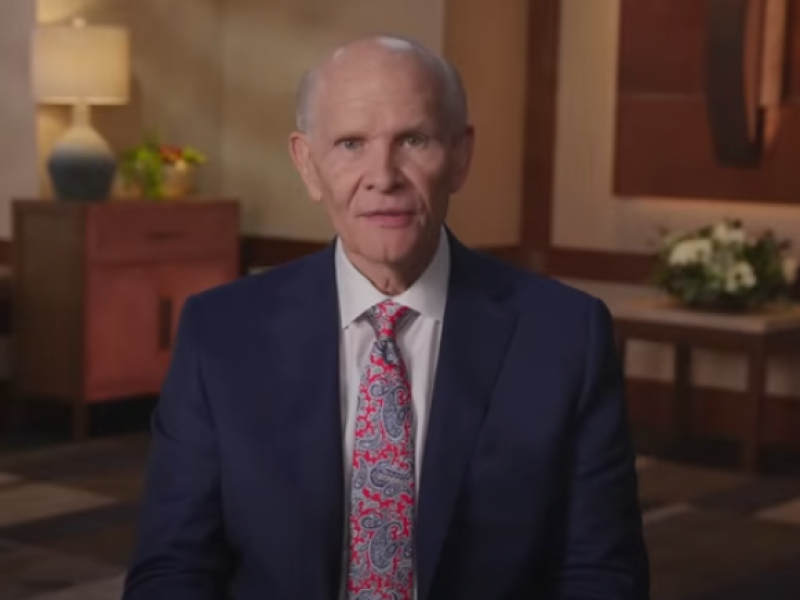

Elder Renlund first suggests making sure we are doing what God has asked of us and “not something extra that we impose on ourselves.”
1 Min Read
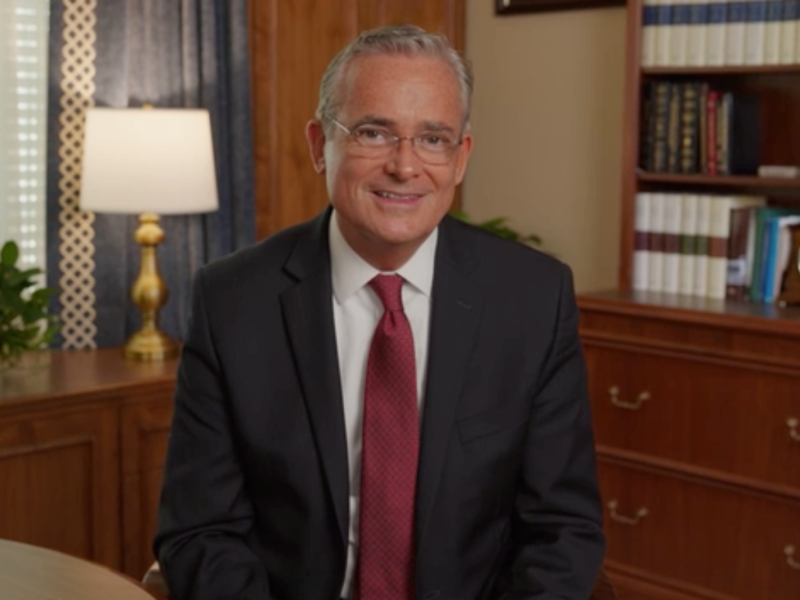

Elder Kearon believes this truth “can console all of us.”
1 Min Read

These resources can help any family dive deeper into the Doctrine and Covenants in 2025.
1 Min Read
In 1831, the exact circumstances and details of the Second Coming of Jesus Christ generated a lot of speculation among the Saints. Joseph Smith asked those questions to God and received an answer. Doctrine and Covenants section 45 is known as the Second Coming section, and while it does not predict when Jesus will come again, it does give us doctrine and signs to watch for—revelation that can help prepare us for when He does return someday.
The Saints arrived in Ohio to build their Zion community, and this effort took hard work. They needed to build homes, shops, and a temple while also building trust in each other. In Doctrine and Covenants 41–44, we learn about the new law their community would live under and how much was required to live up to it.
A line in the hymn “Praise to the Man” reads: “Sacrifice brings forth the blessings of heaven.” In our study of Doctrine and Covenants 37–40, the Saints were asked to give up something very valuable with a promise of future blessings from God. While we hopefully won’t need to walk away from our property and worldly possessions like the early pioneers, their story can teach us important lessons about the eternal principle of sacrifice.
This year, our theme for studying the Doctrine and Covenants is to A.S.K. (Always Seek more Knowledge) because that’s what Joseph Smith did. In this special Easter episode, five people from different walks of life share their testimonies of praying and seeking answers from God. As our thoughts turn to Christ this Easter season, we hope these words of faith will help you feel closer than ever to God.
In a chaotic world, peace can be a precious commodity. This episode begins our study of Doctrine and Covenants 30–36, seven chapters filled with peaceable things of the kingdom. Just as these verses advised 12 men who needed the assurance of peace, these sections can offer us encouragement and respite today.
Doctrine and Covenants 29 tells of the signs, plagues, and disasters that will come before the Millennium. Reading them might give you a case of the Second Coming scaries, but not to fear. Because in this divine section, we are also reminded of who God is and how He cares for His children. When times get scary, we can always find refuge in Christ.