

This week we are going to learn the difference between murmuring and complaining and righteous longing. The Lamentations of Jeremiah came in a period of disaster for God’s people, but it was only one of many times that we have had cause to despair. The standard works are full of the Lord’s answers to the hard times of His people, but Lamentations allows the focus, for one week, to just be on the mourning.


One woman shares what she learned about fasting after a heartbreaking loss.
3 Min Read
Who was Jeremiah and what did he have to say to the children of Israel in the time after Isaiah? We can better understand the prophesies for our day by better understanding the man and the pain he felt from his calling as a prophet. Jeremiah 1-20 introduces us to the next complicated character in this part of the bible, and how we can tie his words to the New Testament, Book of Mormon, and our modern day.
Isaiah 58 contains the Lord’s Law of the Fast. We are given instructions of what to do and what not to do when fasting, and although our modern fasts look different than they did in Isaiah’s time, the council remains the same. Fast with intention, without fanfare, and to help those in need. When our fasts look like this we can use the time to draw closer to Christ instead of just going hungry.
If you were tasked with convincing someone of Jesus Christ for the first time, what scripture would you go to? That is a missionary’s call every day, and it was Nephi’s mission in 1 Nephi 19. And the book he turned to was Isaiah. We will learn this week in Isaiah 50-57 how Isaiah’s words persuade of Christ and the comfort that can bring Zion.
Isaiah has a reputation for being complicated to understand, but there is a beautifully simple message in this week’s scripture block. It gets better! For anyone going through trials or hard times, Isaiah 40-49 was written for you. Comfort ye, because through God’s power, anything is possible.


This symbol reflects the truth that God will sustain us.
1 Min Read
One thing that the Lord asks prophets to do is to warn the people about the consequences of sin. Yet another thing that the Lord asks prophets to do is to encourage the people about the good consequences of turning to Him. The bible is filled with warnings and it is also filled with hope. This week’s study of Isaiah 13–35 contains such messages including the greatest hope of all in Isaiah 33:22 “He will save us!”

Studying Isaiah doesn’t require a theology degree—or even plowing through every single verse.
1 Min Read


This is an insight we simply don’t get with the English version of the story.
2 Min Read


Reading about the Atonement is one thing but truly feeling it is another. This visual could make a difference.
2 Min Read

“The more we know these prophecies, the more we can step forward with courage and strength and do hard things and help gather Israel.”
1 Min Read

A verse from the Book of Mormon shows how hopeful this phrase truly is.
1 Min Read


This principle from 3 Nephi (and some help from my stopwatch) reveals an empowering truth.
3 Min Read


“Most of the best people who ever lived weren’t very famous either. Serve and grow, faithfully and quietly.”
3 Min Read


God wants us to live with joy, not guilt that we are not doing enough. Find peace by noticing the subtle signs of progress in your life.
5 Min Read

Alma's son Corianton pursued a harlot and had significant concerns about the gospel. What can we learn from what Alma chose to say to him?
4 Min Read
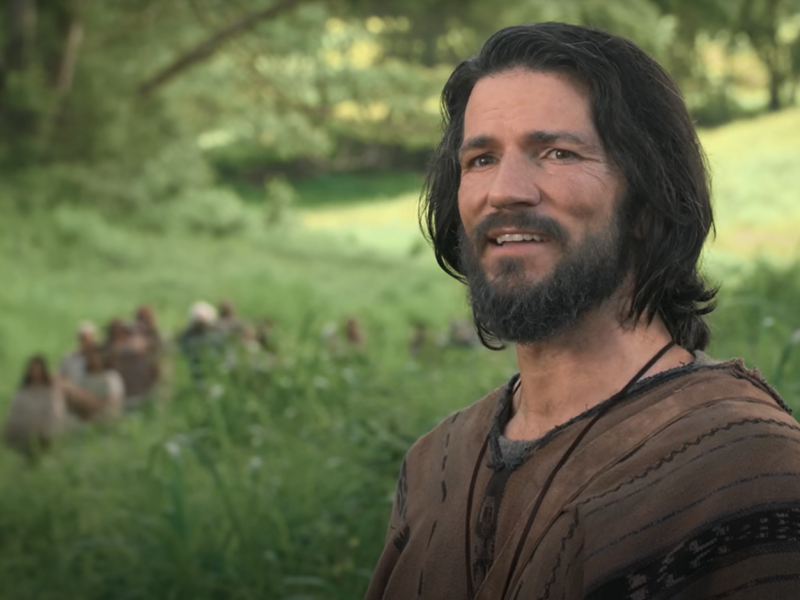
Did you know Alma chapters 30–35 were originally one chapter? Reading the text as one block reveals an important question (and inspiring answer).
4 Min Read
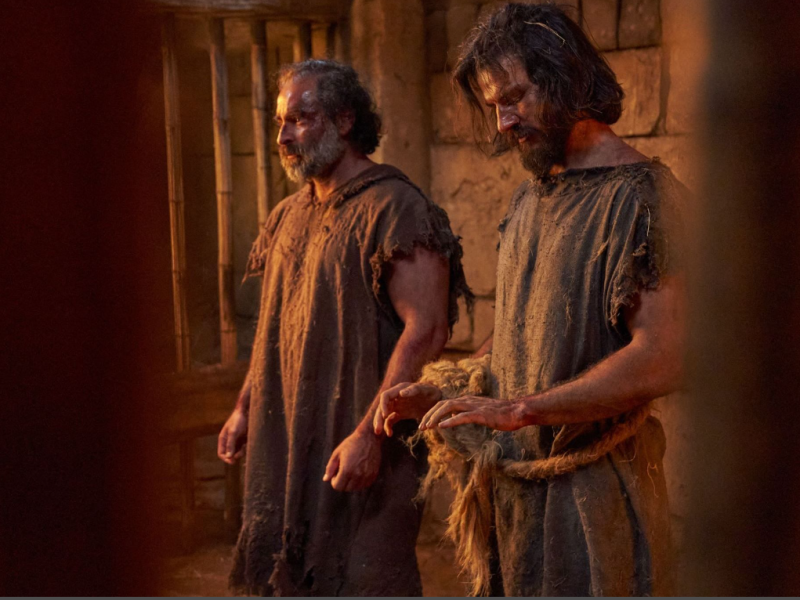
I’ve realized Amulek is poignant inspiration to anyone feeling like their life is falling apart even though they chose to do what was right.
3 Min Read


This summer, the Sunday on Monday podcast has decided to prove the scripture and see how we can truly “count it all joy.”
2 Min Read


Sometimes when you come across a very familiar verse, it can be easy to just gloss it over because you know it so well.
1 Min Read

In Mosiah 9, the Lamanites were trying to skip right to the easy part.
2 Min Read

This week’s “Come, Follow Me” nugget is more the size of a rock, but there is just so much that King Benjamin teaches in Mosiah 4.
2 Min Read

We know we are the spirit children of Heavenly Father, so how is it that we can also be the children of Christ? The answer is wonderfully ennobling.
2 Min Read

Our challenge today is not a lack of access, but a lack of attention.
2 Min Read

We love Enos for his heartfelt prayers. Here are a few details about how he prays you may’ve not noticed but that can help you in life.
4 Min Read

A debt paid? Understanding? Protection? Comfort? For any definition of the word “cover,” you can find a solution for it in the Atonement of Jesus Christ.
2 Min Read

The journey back to God usually isn’t as simple as moving from point A to point B.
2 Min Read

There is a segment in this week’s “Come, Follow Me” reading that captures the spirit of the “Visitors Welcome” signs found on every Latter-day Saint church building.
2 Min Read

Nephi writes like someone who intends for his words to be read, and 2 Nephi 25 is like he’s stretching his arm through the fourth wall to tell us what’s important.
1 Min Read

2 Nephi 18 talks about the Lord—and the temple—being a sanctuary. So how can we find that same peace in our busy lives today?
2 Min Read

“God has His hand in everything. Every page of the Book of Mormon is evidence of that.”
2 Min Read
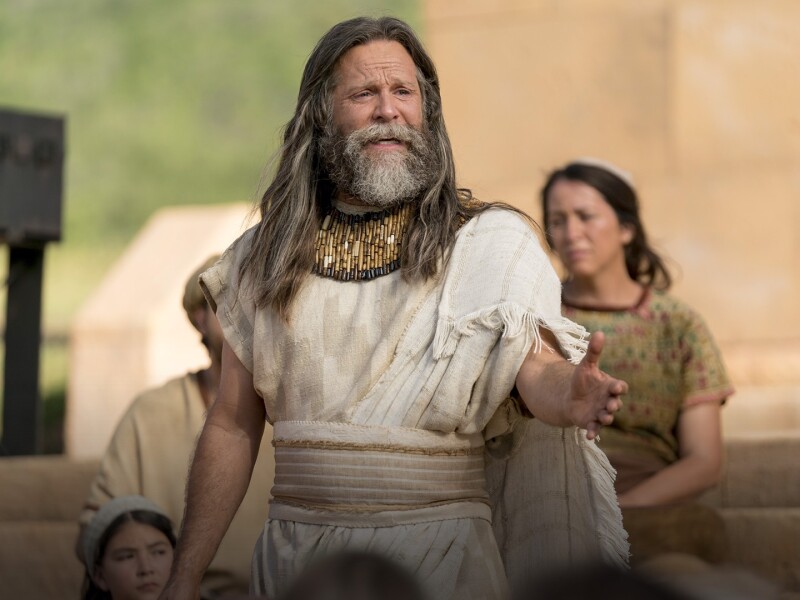
Studying Jacob may help you see how both deep sorrow and anxiety can coexist with God’s goodness.
4 Min Read

Moses, Nephi, and Joseph Smith are all names on the page for us today. But their struggles and faith were real. And we can learn from their lessons.
2 Min Read

In the middle of Lehi’s message to Jacob, we get a small but powerful message that “all things must needs be a compound in one.”
2 Min Read

With Valentine’s Day coming up, we’ve chosen our favorite podcast episodes to help you find ideas to love others more deeply as the Savior would.
5 Min Read

Has the promise of prospering in the land led us to believe that if we keep the commandments, life will be easy?
5 Min Read

The moments in my life where the scriptures have come alive the most are in casual conversations with roommates or family. That’s when the application happens.
3 Min Read

When nothing else makes sense and you are confused by what you hear, start there. Start with knowing God loves you.
2 Min Read

“Falling down” at the feet of Jesus can become an instructive, beautiful, inspiring detail in Lehi’s vision of the tree of life.
4 Min Read

My ah-ha moment from this week’s reading came from one word found in the family conflict immediately preceding Lehi’s vision.
2 Min Read

There are many ways we can learn about God throughout our lives, two of which are through the scriptures and our family.
2 Min Read

Sometimes knowing leads to doing, and other times doing leads to knowing.
4 Min Read

A new year brings new resolutions and a new ‘Come, Follow Me’ curriculum. Let’s dive into our 2024 study of the Book of Mormon.
3 Min Read

The world is pretty different than it was in January 2020, but we are back to reading the Book of Mormon together and there are a few new perks for 'Sunday on Monday' podcast listeners.
2 Min Read
The prophet Isaiah is one of the most quoted across all of scripture, including by the Savior Himself. We are called to delight in Isaiah's words and liken them to ourselves. But before we can apply them, we need to understand them. We have called in the experts to bring their academic insight to the words of the poetic prophet.
Trust God, to be wise is better than wealth, a virtuous woman is greater than rubies; these are timeless words that have been studied for ages. Proverbs and Ecclesiastes are full of sage council and quippy messages, but there is a rich tradition behind the wisdom that can be better understood with an understanding of the language and customs of the time. Let’s all aim for greater wisdom in this study of the Old Testament’s wisdom literature.
This is our last week of Come, Follow Me study of the book of Psalms. The traditional Jewish name for this book is Tehillim, a Hebrew word that means praises. And that word is related to our modern exclamation of praise, “hallelujah” which means praise Jehovah or praise the Lord. Remembering that expression seems like a good way to round out this book full of songs and praise.
Interacting with music, poetry, and scriptures can bring up deeply personal feelings. And the writers of the Psalms shared deeply in their writing. In our study of Psalms 49-86 we are going to look for the personal connection in the writing. And how that will help us set our hope in God.
There is a word that comes up in the Psalms that is designed to make you stop and reflect. It is saleh and, while it could mean a musical rest in these early hymns, it can also just mean to rest. Take a moment, slow down in your scripture study and in your day, and rest in the Lord. The Come, Follow Me schedule gives us three weeks to study the Psalms and our emphasis this week in Psalm 1-46 is to saleh.
Life lessons from the Book of Job. Before studying this book of poetry that may be the oldest book written in the bible, it’s important to know a few things. We’re not sure who wrote it, we don’t exactly know what Job’s name means, and there’s no way to verify if the events in it even happened. So, what can 42 chapters, 1,070 verses and 10,102 words teach us about Jesus Christ? Now we begin our week-long study of Job and discuss life lessons that are contained in what we believe to be an inspired and poetic book.